7 Signs You Need New Siding in MN: A 2026 Homeowner's Guide
The most common signs your Minnesota home needs new siding are visible warping, bubbling, cracking, or holes from hail. You might also notice soft spots under the eaves, peeling paint inside your home, loose panels after a windstorm, or a sudden spike in your energy bills. Your siding is your home's first line of defense against our wild Minnesota weather, and when it fails, it can lead to much bigger problems.
From the summer heat waves that can cause vinyl to warp to the winter ice that works its way into seams, your home's exterior takes a constant beating. It's easy to overlook the slow decline of siding, but catching the signs of failure early can save you from costly structural repairs down the road. This guide will walk you through the key warning signs, what to look for after a storm, and how to decide between a simple repair and a full replacement for your Minneapolis, St. Paul, or western Wisconsin home.
1. Warping, Bubbling, or Wavy Siding
Siding panels that are warped, bubbled, or wavy are a clear indication that something is wrong. While this can sometimes be a symptom of a poor installation, it's often a sign that water has gotten behind the siding, causing the wall sheathing underneath to swell and decay. This is especially common with older fiberboard or vinyl siding that has been exposed to years of freeze-thaw cycles in cities like Eagan and Burnsville.
Bubbles and blisters specifically suggest heat damage. Direct, intense sunlight can cause certain types of siding to deform, especially darker colors which absorb more heat. If you see these issues, it's not just a cosmetic problem; it means the siding is no longer lying flat against your home, creating gaps where moisture and pests can enter.
2. Widespread Cracking or Fading
A few small, isolated cracks might be repairable, but widespread cracking across your home's exterior points to siding that has reached the end of its lifespan. Materials become brittle over time due to UV exposure and temperature swings. These cracks compromise the siding's ability to protect your home from rain and snow, turning small issues into significant water intrusion problems. This is a common issue we see on homes in established neighborhoods like Edina and Minnetonka.
Significant fading is another sign of aging. While all siding will lose some color over the years, a chalky or severely faded appearance means the protective top layer has worn away. This leaves the core material vulnerable to moisture and makes it more susceptible to cracking and other damage. Fading can also dramatically impact your home's appearance and what your home's roof and siding say about its value.
3. Hail Chips, Dents, or Holes
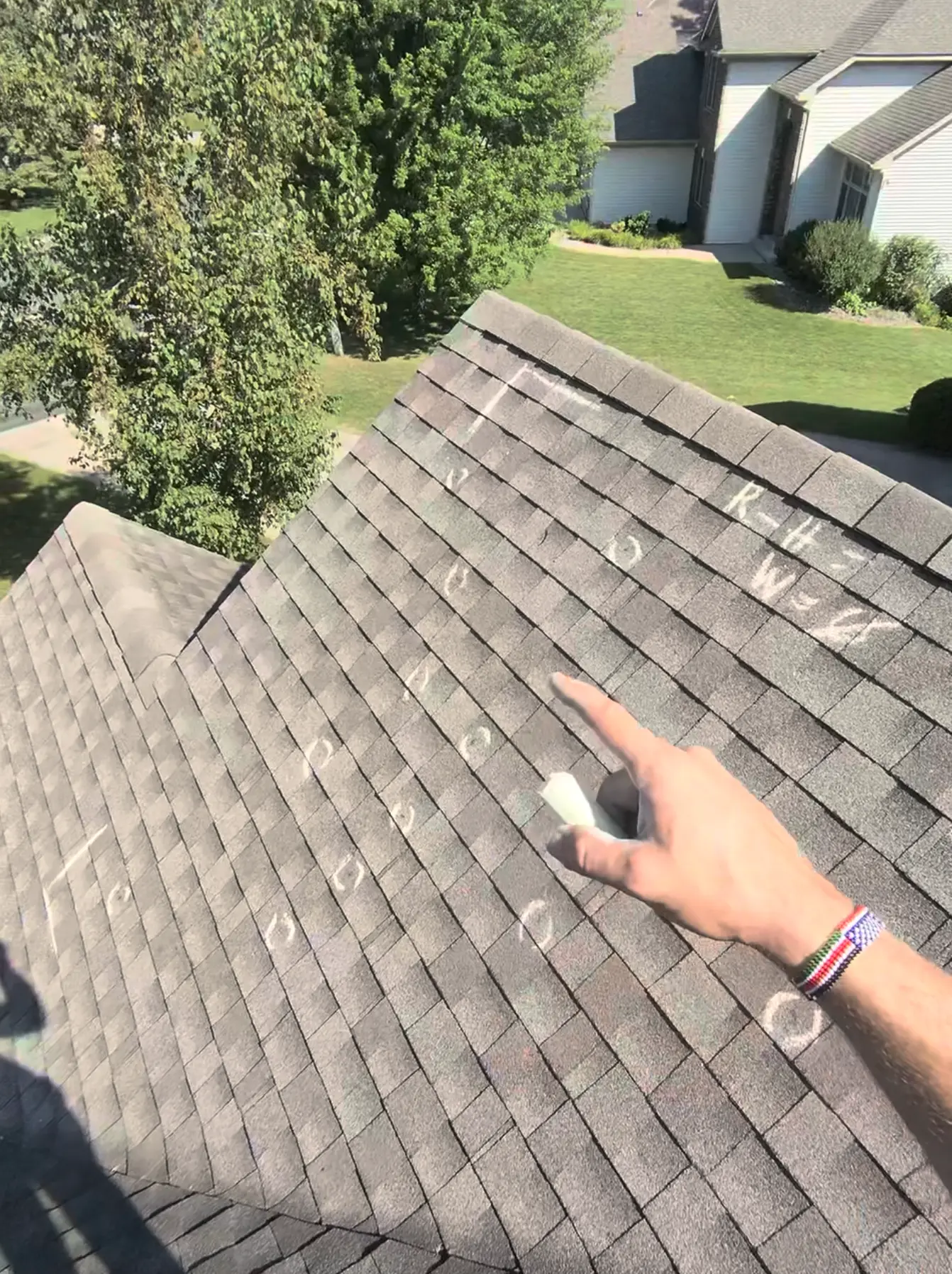
Hail is a constant threat in the Twin Cities metro, and it can wreak havoc on residential siding. After a storm, it's crucial to inspect your exterior. With vinyl siding, look for chips, cracks, or clean holes. On aluminum or steel, you'll see dents. With fiber cement or engineered wood like LP SmartSide, hail can cause chips, cracks, or smash the board entirely. You can check your address for recent severe weather reports using the NWS Storm Events Database at https://www.ncdc.noaa.gov/stormevents/.
Even if the damage seems minor, any break in the surface of the siding is a potential entry point for water. This is where a professional inspection is invaluable. At MBE, we provide free ground or drone inspections to thoroughly document all storm-related damage. This documentation is critical when starting the insurance restoration process.
4. Soft Spots or Signs of Rot
Rot is one of the most serious signs of siding failure because it means the problem has moved beyond the siding itself and into your home's structure. To check for this, gently press on siding panels, especially under windows and near the ground. If they feel soft, spongy, or punky, you likely have water trapped behind them that is rotting the wood sheathing or even the wall studs.
You can also use the handle of a screwdriver to gently tap along the boards. A solid, sharp sound is good; a dull thud can indicate decay underneath. Pay close attention to areas where water collects, like near downspouts or on walls that receive a lot of shade. If you find rot, a full siding replacement is almost always necessary to properly address the underlying structural damage.
5. Peeling Paint or Loose Wallpaper Inside Your Home
Problems on your home's exterior often show up inside. If you notice paint bubbling or wallpaper peeling on an exterior wall, it's a strong red flag that moisture is penetrating your siding and working its way through the wall cavity. This happens when the weather-resistant barrier behind your siding has been compromised, allowing water to saturate the drywall from the outside in.
Don't just repaint the interior wall and hope for the best. This is a sign of a systemic failure that needs to be addressed at the source: the failing siding. Ignoring it can lead to mold, mildew, and structural rot that becomes exponentially more expensive to fix. If you see this, it's time to request a free inspection right away.
6. A Sudden Rise in Energy Bills
Your siding is a key component of your home's thermal envelope. When it's damaged, cracked, or pulling away from the walls, it creates drafts and allows conditioned air to escape. This forces your furnace and air conditioner to work harder to maintain a comfortable temperature, leading to a noticeable increase in your heating and cooling costs.
If you've noticed your Xcel or CenterPoint Energy bills creeping up without any other explanation, poorly performing siding could be the culprit. A modern, properly installed siding system, especially an insulated one, can significantly improve your home's energy efficiency. When we replace siding, we also inspect and install a high-quality house wrap, which acts as an air and moisture barrier, further tightening up your home. Learn more about if insulated siding is worth it in Minnesota.
7. Loose Panels and Damaged Seams
High winds can literally rip siding panels off your house, but even if the panels remain, wind can cause them to loosen. Siding that rattles in the wind or has visibly pulled away at the seams is a major problem. Each loose panel is an open invitation for wind-driven rain to get behind your exterior and soak the wall structure.
Proper caulking at seams, corners, and around windows is also critical. Over time, caulk can dry out, crack, and pull away, creating small but dangerous gaps. As part of our spring maintenance checks, we always recommend homeowners in places like Woodbury and Cottage Grove inspect these seals. If you're seeing widespread caulking failure or loose panels, it’s often more effective to replace the whole system than to chase down dozens of small repairs.
Repair vs. Full Replacement
Deciding whether to repair or replace your siding depends on the extent and nature of the damage. If you have a few cracked vinyl panels from a stray baseball or minor, localized wind damage, a simple repair is often possible. At MBE, we don't have a minimum job size and are happy to help with smaller repairs. However, it can sometimes be difficult to find an exact color match for older, faded siding.
A full replacement is typically the right choice when:
- The damage is widespread (e.g., across multiple sides of the house).
- The siding is old and showing systemic failure like brittleness or widespread cracking.
- There are signs of underlying rot or water damage.
- Your insurance carrier has approved a full replacement due to storm damage.
- You want to upgrade your material, for instance from vinyl to LP SmartSide engineered wood.
A full replacement allows us to strip the old siding, inspect and repair the sheathing underneath, install a new weather-resistant barrier, and then install a complete, warrantied siding system. This is the best way to ensure your home is protected for decades to come.
How to Vet a Siding Contractor in Minnesota
Choosing the right contractor is just as important as choosing the right material. A shoddy installation can cause even the best siding to fail. Here in Minnesota, there are a few simple steps you can take to verify you're working with a legitimate, professional company.
- Verify Their License: Every residential building contractor in Minnesota must have a license. You can verify a license number in seconds on the Minnesota Department of Labor and Industry (DLI) website. Midwest Building Exteriors' license is #BC793031.
- Check Their Insurance: Ask for a certificate of insurance showing both general liability ($2,000,000 in our case) and full Minnesota workers' compensation. This protects you from any liability if an accident happens on your property.
- Look for a Real Local Presence: A legitimate contractor will have a physical office, not just a P.O. box or a truck. MBE has offices in Richfield, Eagan, and St. Croix Falls to serve the entire Twin Cities metro and western Wisconsin.
- Read Recent Reviews and Ask for References: Look at their Google Business Profile (we're proud of our 5.0-star rating) and their A+ Rating with the BBB. Ask if they can provide addresses of recent projects in your area, like Bloomington or Eden Prairie.
How Midwest Building Exteriors Can Help
As a family-owned exterior contractor, we treat your home like our own. Our process begins with a comprehensive, no-obligation inspection to give you a clear picture of your siding's condition. If you're dealing with storm damage, our expertise in documenting damage for insurance purposes is a huge asset; we have a 99% companywide insurance claim approval rate across over 400 documented claims.
We install a range of quality materials, including vinyl, steel, James Hardie fiber cement, and LP SmartSide engineered wood. Our crews are meticulous, ensuring every detail is handled correctly. Most siding projects take between 3-5 days for vinyl, LP, or Hardie, and 4-5 days for steel. We also handle related services like windows, doors, and gutters, allowing for a seamless exterior renovation.
Most importantly, we stand behind our work. MBE's Lifetime Craftsmanship Warranty covers you for as long as you own your home. It's a lifetime warranty on our labor: if something MBE installed was installed incorrectly, we fix it, for the lifetime of that material's suggested lifespan. The manufacturer's warranty covers the material itself, giving you two layers of protection.
What New Siding Costs in Minnesota (2026)
The cost to replace siding is priced per "square," which is a 10-foot by 10-foot area (100 square feet). Your total cost will depend on the size of your home, the material you choose, and the complexity of the job. Here are our current published prices for a full replacement in 2026.
- Vinyl Siding: About $900–$950 per square installed (MBE published pricing). This is a popular and budget-friendly option.
- LP SmartSide or James Hardie: About $1,200–$1,300 per square installed (MBE published pricing). These materials offer superior durability and aesthetics.
- Steel Siding: About $1,300–$1,500 per square installed (MBE published pricing). Steel is an excellent choice for durability and is more resistant to hail.
These prices include the complete removal of old siding, any necessary minor sheathing repairs, installation of house wrap, the new siding, and all finish trim and cleanup. For a precise quote tailored to your home in a city like Lakeville or Apple Valley, we provide a free, detailed on-site estimate.
Frequently Asked Questions About Siding Replacement
How long does siding last in Minnesota?
The lifespan of siding in Minnesota depends heavily on the material. Well-maintained vinyl can last 20-30 years, while durable options like LP SmartSide, James Hardie fiber cement, and steel siding can last 40-50 years or even longer. Regular inspections and maintenance are key to maximizing that lifespan.
Can I replace the siding on just one side of my house?
Yes, you can replace the siding on just one or two sides of your house, and we handle partial replacement projects all the time. The biggest challenge is often matching the color and texture of the new siding to the existing, weathered siding. This is a common scenario for storm damage repairs where only one or two elevations were impacted.
How long does a siding replacement take?
A typical siding replacement project takes about 3 to 5 days for materials like vinyl, LP SmartSide, or James Hardie. Steel siding projects may take slightly longer, around 4 to 5 days. This timeline includes tearing off the old siding, making minor repairs, installing the new system, and thorough cleanup.
Does homeowners insurance cover siding replacement?
Homeowners insurance typically covers siding replacement if the damage was caused by a sudden, acute event like a hail storm or high winds. It does not cover replacement due to old age, lack of maintenance, or normal wear and tear. We can help you navigate the Minnesota home insurance claim process by providing thorough documentation of any storm-related damage we find during our inspection.
What is the best siding for Minnesota's climate?
In our experience, engineered wood like LP SmartSide and fiber cement like James Hardie are two of the best choices for Minnesota's climate. They are extremely durable, handle freeze-thaw cycles well, and are more resistant to hail than standard vinyl. Steel siding is also an excellent, highly durable option.
Should I replace my windows when I replace my siding?
Replacing your windows and siding at the same time is the ideal approach for performance and cost-effectiveness. It allows us to integrate the window and siding water-resistive barriers perfectly, creating a seamless and highly weather-resistant building envelope. Doing both at once streamlines the process and ensures a cohesive look for your home's exterior.
What does MBE's siding warranty cover?
Our Lifetime Craftsmanship Warranty covers our labor for as long as you own your home. If an issue arises because of how we installed the siding, we will fix it, for the lifetime of that material's suggested lifespan. Defects in the siding material itself are covered separately by the manufacturer's product warranty.
What is a 'square' of siding?
A 'square' is a standard unit of measurement in the roofing and siding industry. One square is equal to 100 square feet of area. We use this measurement to calculate the amount of material needed and to provide a clear, standardized price for your project.
Ready to See What's Underneath?
If you're seeing any of these warning signs on your home, don't wait for the problem to get worse. Our team is ready to give you an honest assessment of your siding's condition. Request your free inspection or call or text our team 24/7 at 612-750-6051.