MN Home Insurance Claim Process Step-by-Step for Storm Damage 2026
The skies over the Twin Cities can turn from sunny to menacing in a matter of minutes. One moment you're enjoying a beautiful Minnesota summer day in Lakeville or Maple Grove, and the next, you're hearing the unmistakable, gut-wrenching sound of hail pounding against your roof and siding. When the storm passes and the sky clears, the real storm is often just beginning: the confusing, stressful, and often overwhelming process of filing a homeowners insurance claim.
Immediately after a hailstorm, neighborhoods in places like Woodbury and Eagan are flooded with trucks and canvassers. You'll get knocks on your door from out-of-state 'storm chasers' making big promises. It can feel like you're being pulled in a dozen different directions. Who do you trust? What's the first step? If you call your insurance agent, are you doing the right thing, or are you starting a process you're not prepared for? It’s a lot to handle when all you want is to know your home is protected.
This is where we come in. At Midwest Building Exteriors (MBE Inc.), we're not just a roofing and siding contractor; we're your neighbors. We're a family-owned business with offices in Richfield, Eagan, and St. Croix Falls, and we've guided thousands of homeowners across the Twin Cities metro and western Wisconsin through this exact process. Think of us as your expert guide, here to demystify every step. This guide is our playbook, the same advice we give homeowners over a cup of coffee. We'll walk you through the entire journey, from the first 24 hours after the storm to cashing that final check, ensuring you have the knowledge to get the fair and complete settlement you're entitled to.
The First 24 Hours: What to Do Immediately After the Storm
The moments after a severe storm are critical. Your first priority is always safety. Check for immediate hazards like downed power lines, broken glass, or visibly unstable structures. Once you've confirmed your family is safe and the immediate area is secure, your focus can shift to documenting the event. This is your first and best chance to gather evidence while it's fresh.
Grab your phone and become a detective. Take photos and videos of everything. Note the date and time of the storm. If you have hail on the ground, take a picture of it next to a ruler or a coin to show its size. Walk around your property and document any visible damage you can see from the ground. Look for:
- Dented gutters, downspouts, and window wraps.
- Damage to your air conditioner unit's fins.
- Cracks or holes in your vinyl siding.
- Dents on your garage door or any metal fascia.
- Torn or damaged window screens.
- Any debris, like shingles or pieces of siding, on the ground around your home.
One thing you should absolutely not do is climb on your roof. A wet roof is incredibly dangerous, and even a dry one can be hazardous without the proper safety equipment. More importantly, you may not even know what to look for. Hail damage on a shingle isn't always obvious; it can look like a small, dark bruise. Walking on the roof can also cause further damage, which an insurance company could potentially argue was caused by you. The most important call to make in these first 24 hours isn't to your insurance company; it's to a trusted, local contractor to get a professional assessment. Get the facts before you start the official process. Call or text 612-750-6051 for a free inspection.
Step 1: Get a Professional Damage Assessment (Not Just an 'Estimate')
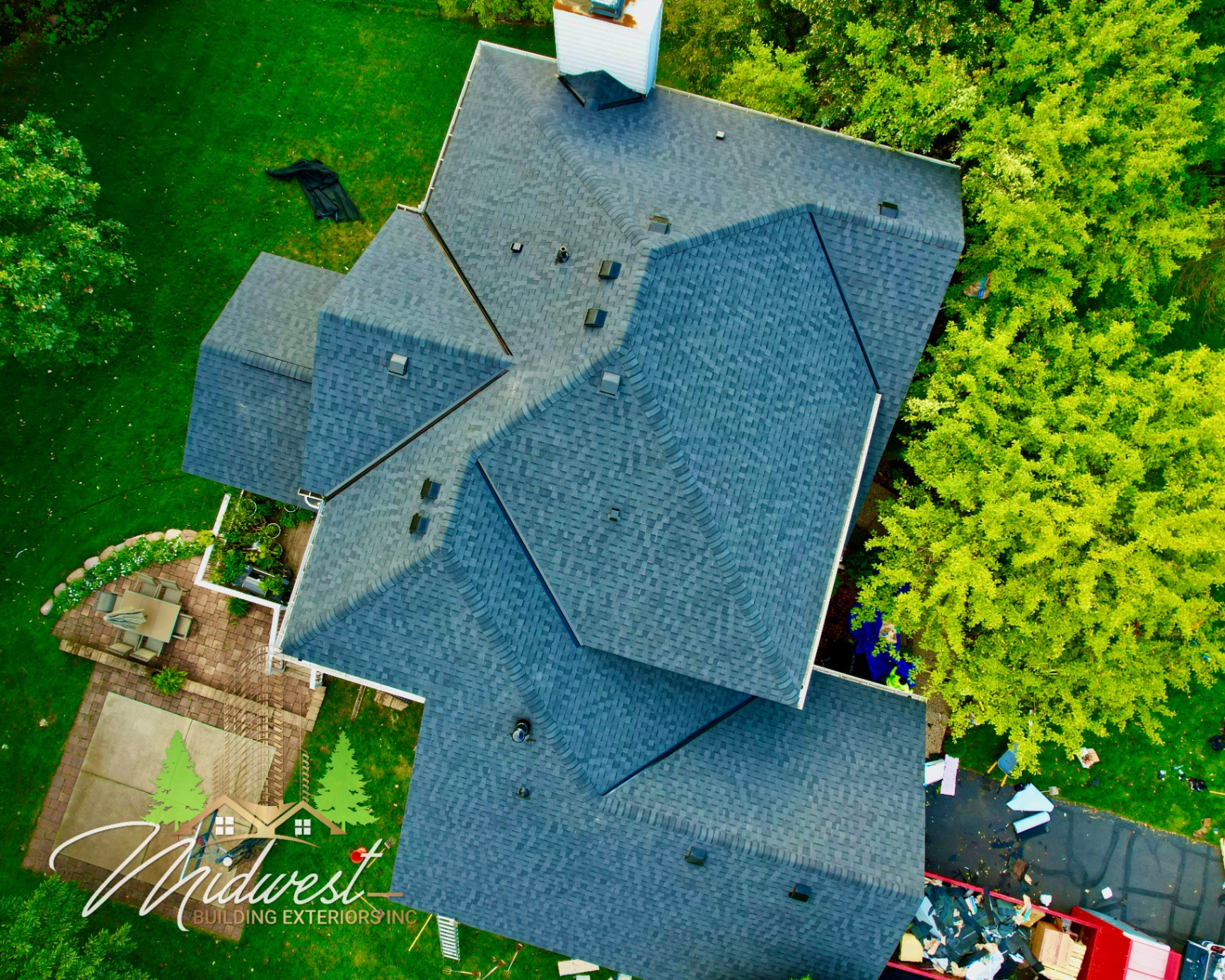
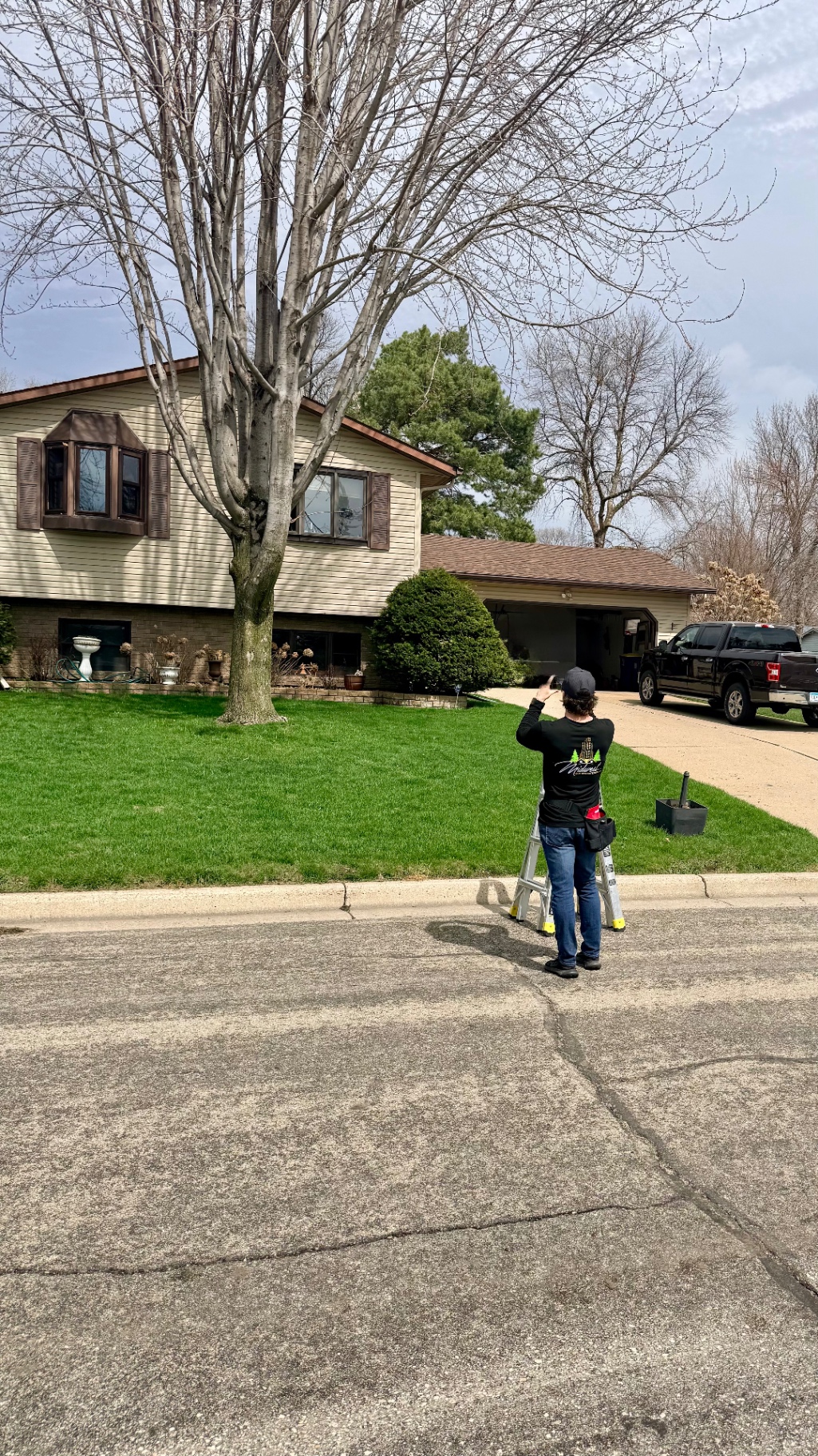
There's a huge difference between a quick 'free estimate' and a thorough damage assessment. An estimate just gives you a price. A damage assessment provides the *why*—it's a comprehensive report that documents the full scope of storm-related damage to your property. This is the single most important step in setting your claim up for success. At MBE, we offer free, no-obligation ground or drone inspections. Our trained storm damage experts will examine every part of your home's exterior, from the roof to the foundation.
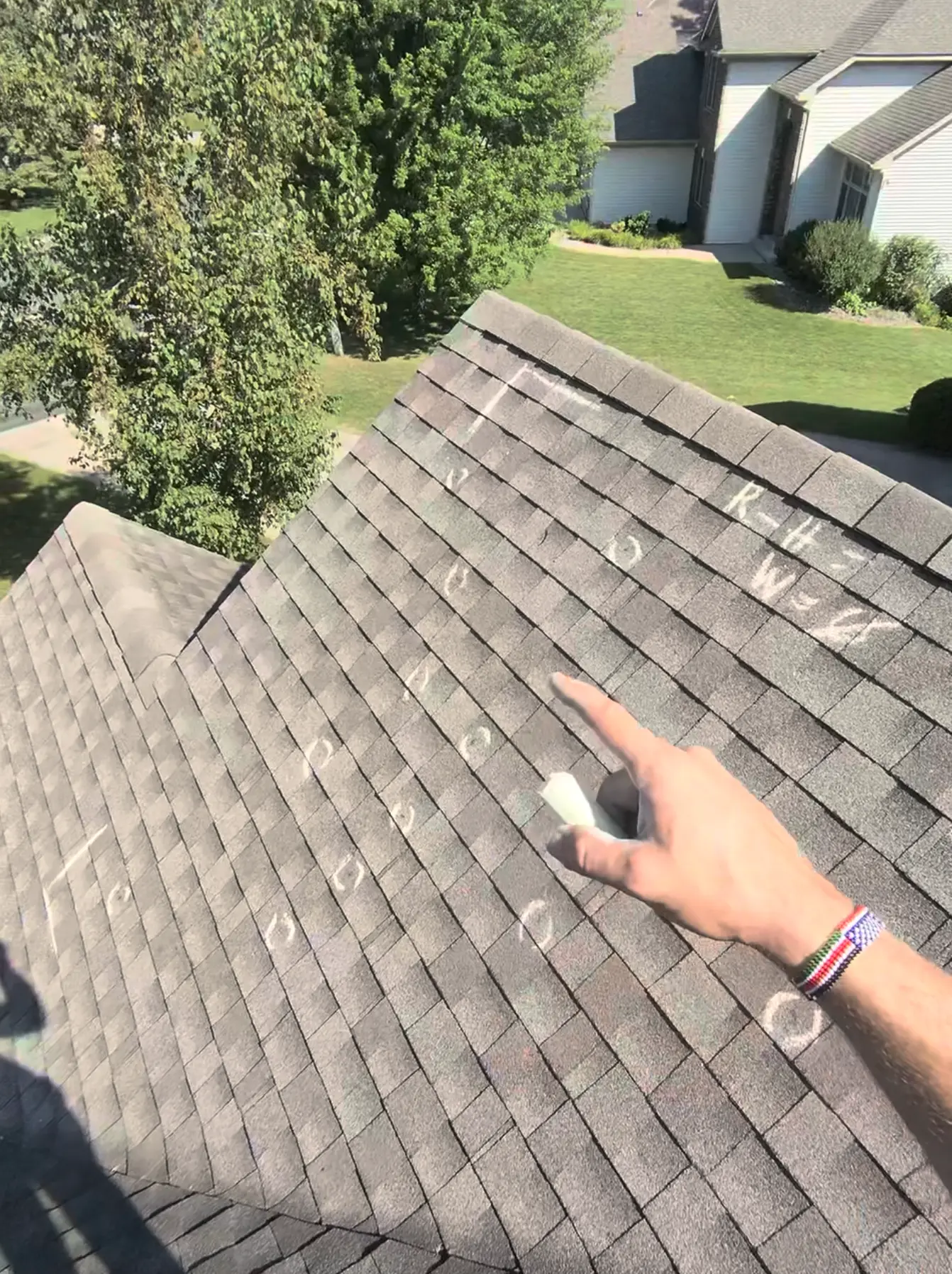
During our inspection, we meticulously document every point of impact with high-resolution photos and detailed notes. We chalk-mark test squares on the roof to clearly show the adjuster the frequency and severity of hits. We inspect siding, windows, gutters, fascia, and even paint on your deck. This creates a complete evidence package. When we're done, we sit down with you and show you exactly what we found. We'll tell you honestly if there's enough legitimate damage to warrant filing a claim. If the damage is minor and falls below your deductible, we'll tell you that, too. We're here to provide honest advice, not to push you into a claim that isn't in your best interest. This detailed approach is a key part of how we achieve our 99% companywide insurance claim approval rate across 400+ documented claims.
This evidence becomes the foundation of your entire storm damage insurance claim. Having this professional documentation before you even have a claim number puts you in a position of strength. It shows the insurance company that you've done your due diligence and are working with a professional who understands the process. Whether you're in Edina, Brooklyn Park, or across the river in western Wisconsin, our process is the same. Request a free inspection and let us build your case.
Step 2: Understanding Your Policy & Deciding to File
With our damage assessment in hand, you can now make an informed decision. Before you call your agent, it's helpful to understand a few key terms in your homeowners policy. The two most important concepts are Replacement Cost Value (RCV) and Actual Cash Value (ACV). RCV policies are designed to pay for the full cost of replacing damaged items with new, similar materials, minus your deductible. ACV policies, on the other hand, only pay for the depreciated value of the damaged items—essentially what they were worth the moment before the storm hit. Most homeowners have RCV policies, but it's crucial to know for sure.
The other critical number is your deductible. This is the amount you are responsible for paying out-of-pocket before your insurance coverage kicks in. In Minnesota, deductibles for storm damage are typically a flat amount like $1,000 or $2,500, or sometimes a percentage of your home's insured value (e.g., 1%). Knowing this number is essential. If our assessment finds $15,000 in damage and you have a $2,000 deductible, filing a claim makes perfect sense. If we find $2,500 in damage and your deductible is $2,500, it doesn't. We'll help you do this math so you can confidently decide whether to proceed.
Step 3: Filing the Claim – The Right Way
Once you've decided to move forward, it's time to officially initiate the claim. You can do this by calling your insurance agent directly or by calling the toll-free claims number on your policy documents. When you call, keep it simple and factual. You don't need to be an expert.
Simply state: 'I need to open a new claim for hail and wind damage that occurred on [date of storm].' They will ask for your policy number and some basic information. A key tip: Do not speculate on the extent of the damage. Don't say 'I think my roof is totaled' or 'I only see a few dents.' Instead, say: 'I've had a professional contractor, Midwest Building Exteriors, inspect the property, and they have identified significant storm damage.' This tells them you are taking the process seriously. After the call, you will be assigned a claim number. Guard this number; it's the key identifier for everything related to your claim moving forward.
Step 4: The Adjuster Meeting – Your Contractor MUST Be There
This is perhaps the most pivotal moment in the entire claims process. Your insurance company will assign a field adjuster to visit your property and assess the damage. They will call you to schedule this appointment. It is absolutely crucial that your contractor is present for this meeting — one more reason vetting a storm-damage contractor matters long before the appointment gets scheduled. Meeting the adjuster alone is like going to court without a lawyer. The adjuster works for the insurance company. Their job is to evaluate the damage and write a report based on their findings and their company's guidelines. While most adjusters are professional, they are also busy and can miss things.
Our role at the adjuster meeting is to advocate for you, the homeowner. We meet the adjuster on your roof. We walk the property with them, side-by-side. We point out the damage we documented in our initial inspection, using the same photos and test squares. We speak their language, discussing things like manufacturing defects vs. storm damage, local building codes, and proper installation techniques. We ensure that all damage—not just the most obvious—is seen, acknowledged, and included in their report. It's a collaborative but firm process. We are not Public Adjusters; we are storm damage assessment experts representing your best interests on the construction side. This hands-on representation is a cornerstone of our 99% companywide approval rate across 400+ documented claims. To ensure you have an expert on your side, schedule your free drone inspection with us before the adjuster arrives.
Step 5: Deciphering the Insurance Scope of Work (The 'Paperwork')
A week or two after the adjuster meeting, you will receive a document called the 'Scope of Work' or 'Adjuster's Report,' along with your first check. This document is the insurance company's initial opinion of what it will cost to repair your home. It's an itemized list of every repair they've agreed to pay for, with quantities and prices. Most insurance companies use a pricing software called Xactimate, which provides standardized, regional costs for materials and labor. So, you'll see line items like 'Remove/Replace - 3-tab shingle - per SQ' or 'Gutter / Downspout - Aluminum - 5 in - R&R'.
It is extremely common for this initial scope of work to be incomplete. It might be missing critical components required by Minnesota building code, like ice and water shield. It might overlook necessary items like replacing starter strips, drip edge, or proper ventilation. It could underestimate the amount of labor required or miss damage to smaller items altogether. Do not panic when you see this. A low initial scope is normal and expected. It's not the final word; it's the beginning of a negotiation. Our team will review this document line by line, comparing it against our own detailed assessment and photos.
Step 6: The Supplement Process – Getting What You're Owed
This is where a truly professional contractor earns their keep. The process of correcting and adding to the insurance company's initial scope of work is called 'supplementing.' A supplement is a formal request for additional funds to cover items that were missed, underpaid, or required by code. This is a standard part of any complex storm damage project, and it's something we handle entirely on your behalf.
Our production team will assemble a detailed supplemental report. It will include photos of the missed items, references to specific Minnesota building codes, manufacturer installation guidelines, and a clear, itemized list of the additional costs. We submit this directly to the insurance company and negotiate with the desk adjuster (the person in an office who handles supplements) to get these items approved. Common supplemental items include:
- Code-required ice and water shield along eaves and in valleys.
- Drip edge flashing which is required by code in MN.
- Replacement of roofing vents to ensure proper attic ventilation.
- Additional labor for steep or complex rooflines.
- Replacement of step flashing and counter flashing around chimneys.
- Costs for siding detachment and reset when replacing windows or corner posts.
- General debris removal and site protection.
This process can involve some back-and-forth, but with our meticulous documentation, we have a very high success rate. We don't stop until the approved scope of work is sufficient to restore your home correctly and to code, using quality materials from partners like Owens Corning and GAF. This tenacious advocacy is what separates a true restoration contractor from a simple 'roofer'.
Step 7: Understanding the Payments: ACV, Depreciation, and Supplements
Insurance payments can be confusing, as they rarely come in one lump sum. With an RCV policy, you will typically receive payments in several stages. The first check you get will be for the Actual Cash Value (ACV) of the damages, minus your deductible. The ACV is the Replacement Cost Value (RCV) minus depreciation. Depreciation is the amount the insurance company holds back to account for the age and wear of your old roof or siding.
Think of it like this: If your 15-year-old roof is deemed to have depreciated by 40%, the RCV to replace it is $20,000, and your deductible is $1,000, your first check would be calculated as follows: $20,000 (RCV) - $8,000 (40% Depreciation) = $12,000 (ACV). Then, $12,000 (ACV) - $1,000 (Deductible) = $11,000. So, your first check would be for $11,000. The $8,000 in depreciation is 'recoverable.' It's money you are owed, but the insurance company holds onto it until the work is actually completed. Any approved supplements will also be paid out, sometimes as separate checks.
One common hurdle is if your mortgage company is listed on the check. This is standard practice. It requires you to work with your mortgage lender to endorse the check. We have experience with the paperwork for nearly every mortgage lender and can help you navigate this process smoothly. It's just one more way we ease the administrative burden for homeowners in communities like Chanhassen and Eden Prairie.
Step 8: Material Selection and Project Kickoff
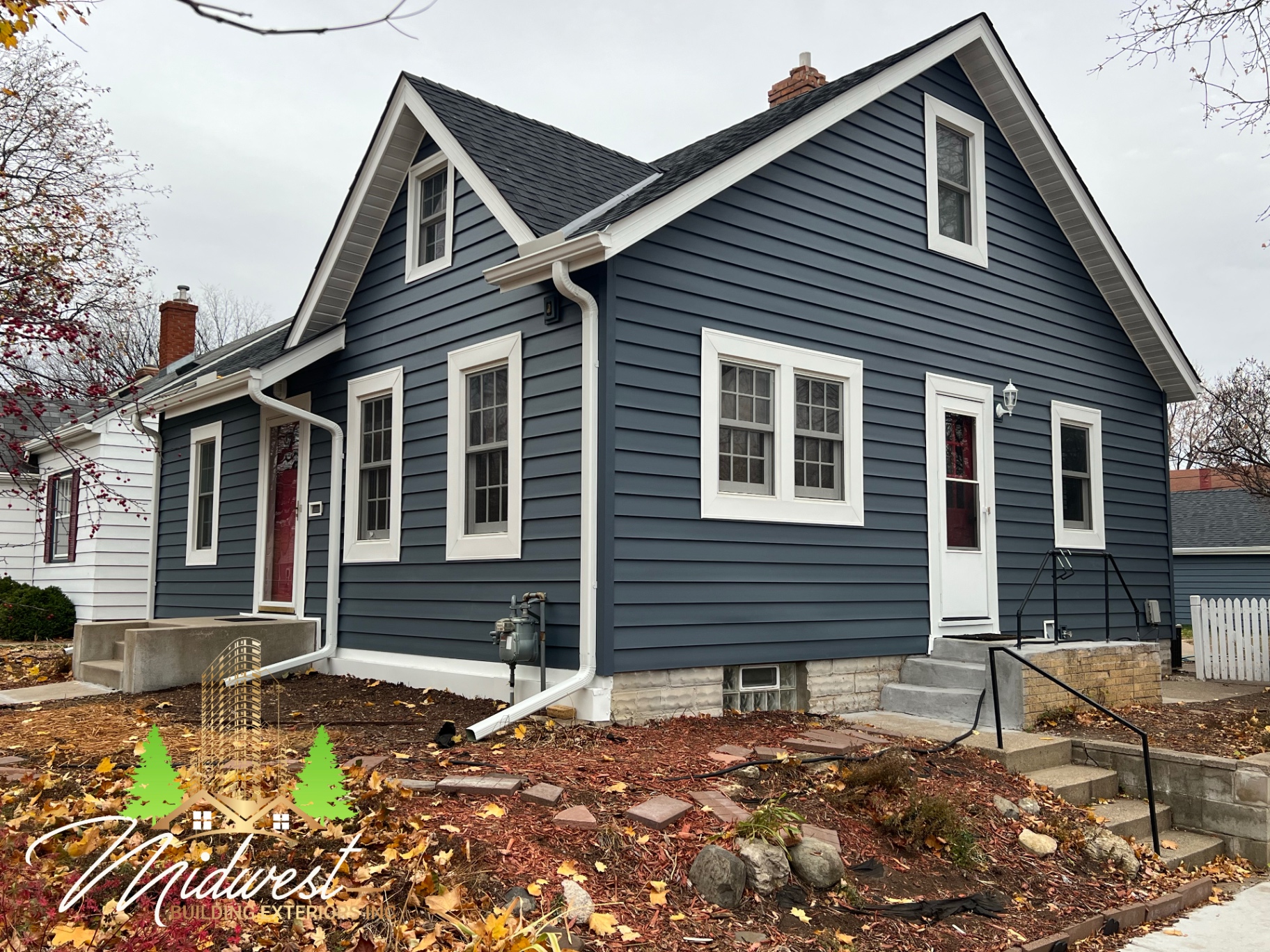
Once the scope of work is settled with your insurance company, the fun begins. Now you get to choose the materials for your home's restoration. This is an exciting opportunity to not only repair but also enhance your home's curb appeal and durability. As an Owens Corning Preferred Contractor and certified installer for GAF, CertainTeed, and Tamko, we can offer you a wide array of high-quality residential roofing options. We'll walk you through the different styles, colors, and features, like the superior performance of Owens Corning Duration shingles.
The same goes for siding. Whether you want to replace your damaged siding with a similar material or take the opportunity to upgrade to something more durable and beautiful like LP SmartSide or James Hardie siding, we have the credentials and experience. We'll provide samples, show you local examples, and help you make a choice you'll be thrilled with for years to come. Once you've made your selections, we'll order the materials, schedule a project start date that works for you, and prepare for a smooth and efficient installation.
Step 9: Final Invoice and Recovering Your Depreciation
After our skilled crews have completed the installation, cleaned the site meticulously, and you've given your final approval, we move to the last step of the insurance process. We will send a final invoice, often called a Certificate of Completion, to your insurance company. This document certifies that all work outlined in the approved scope of work (including all supplements) has been completed for the agreed-upon price.
This final invoice is the trigger for the insurance company to release the recoverable depreciation they were holding back. They will issue the final check, which covers the difference between the ACV you initially received and the total RCV of the project. Once you receive that final payment and settle your invoice with us, the claim is officially complete. At this point, you can rest easy knowing your home has been professionally restored to better-than-new condition, all backed by our industry-leading Lifetime Craftsmanship Warranty on labor.
2026 Minnesota Carrier Report: A Contractor's Perspective
Not all insurance carriers are created equal when it comes to handling storm damage claims in places like St. Paul or Minnetonka. After thousands of claims, we see patterns. While every claim is unique, carriers generally fall into a few categories. Please note this is based on our experience as contractors in 2026 and is not legal advice.
- Tier 1 - The Partners: These carriers tend to make the process smoother. They often have experienced adjusters, use standard Xactimate pricing, and are generally reasonable during supplement negotiations. While they still require proper documentation, the process feels more like a collaboration to get the homeowner's property restored. Carriers often in this group include AmFam, State Farm, and USAA. Working with them is typically straightforward, but having a professional contractor is still vital to ensure nothing is missed.
- Tier 2 - The Negotiators: These carriers can be more challenging. Their adjusters may be less experienced or trained to write very lean initial scopes. They might use proprietary pricing software that undervalues labor and materials, or they may be slow to respond to supplement requests. Claims with these companies almost always require significant annd persistent back-and-forth to get a fair settlement. This is where our expertise in creating undeniable proof becomes absolutely essential.
- Tier 3 - The Obstructionists: A small number of carriers seem to make it their policy to deny, delay, and underpay. They may make initial denials based on 'cosmetic damage' exclusions, refuse to pay for code-required items, or require an unreasonable burden of proof for every single supplemental item. These claims can become long, drawn-out battles. Navigating a claim with one of these carriers without an expert advocate is nearly impossible for a homeowner. Our persistence and documentation are key to winning these tough fights.
The key takeaway is that no matter which carrier you have, your best strategy is to have an expert local contractor on your side from day one. We know their tactics, we know the codes, and we know what's required for a proper restoration. Don't go it alone—book your free inspection and let us level the playing field.
How does MBE achieve a 99% companywide approval rate across 400+ documented claims?
Homeowners often ask how we achieve such a high approval rate without being Public Adjusters. The answer is simple: preparation, professionalism, and persistence. We don't use gimmicks; we use facts and expertise. Our process is designed to build an airtight case for your restoration from the very beginning, leaving no room for an insurer to wrongfully deny or underpay your claim.
It starts with our incredibly detailed initial inspection. We find and document everything. When our representative meets your adjuster, they aren't just a salesperson; they're a trained specialist who can speak the same language and logically walk the adjuster through the damage. Our supplemental claims aren't just a request for more money; they are evidence-based arguments citing specific building codes and manufacturer requirements that an insurer cannot ignore. We are relentless in our follow-up.
Our reputation as a trusted, A+ BBB Accredited business in the Twin Cities community precedes us. Adjusters know that when Midwest Building Exteriors is on a job, the claim is legitimate and the documentation will be thorough. They know we won't ask for anything that isn't truly owed. This trust, built over thousands of successful projects from Plymouth to Stillwater, combined with our full MN Class A License (#BC691061), $2,000,000 general liability insurance, and Lifetime Craftsmanship Warranty, gives you and the insurance company peace of mind. We are simply experts at managing the construction-related aspects of an insurance claim.
What It Costs in 2026: Understanding Your Out-of-Pocket Expense
One of the biggest sources of confusion is what a homeowner will actually pay. For a valid storm damage claim with a Replacement Cost Value (RCV) policy, your only required out-of-pocket expense is your deductible. If the total cost to replace your roof is $22,000 and your deductible is $2,000, the insurance company is responsible for $20,000, and you are responsible for $2,000. It's against the law in Minnesota for any contractor to waive, absorb, or rebate your deductible, and you should be wary of any company that offers to do so—it's a red flag for insurance fraud.
Where additional costs can come in is through upgrades. Your insurance company is only obligated to pay for 'like kind and quality' materials. If your old roof was a basic 3-tab shingle, they will pay for a new 3-tab shingle. However, many homeowners choose this as an opportunity to upgrade. For example, upgrading from a basic shingle to a premium architectural shingle like an Owens Corning Duration might cost an additional $1,500-$3,000 on an average-sized roof. Upgrading to a Class 4 impact-resistant shingle, which can provide a discount on your future insurance premiums, might cost $2,000-$5,000 extra. Similarly, upgrading from old vinyl siding to premium James Hardie fiber cement siding would be a significant out-of-pocket investment, but your insurance payment would provide a substantial head start.
We are fully transparent about these costs. We will always present you with a 'base bid' that aligns with the insurance scope of work (costing you only your deductible) and separate, clear options for any upgrades you're considering. The choice is always yours. If you need help covering your deductible or the cost of an upgrade, we do offer flexible financing options. To get a clear picture of your options, start by getting the facts. Call or text 612-750-6051 for a free inspection.
Frequently Asked Questions (FAQ) About MN Storm Claims in 2026
Can an insurance company deny my claim?
Yes, a claim can be denied for several reasons. The most common is if the adjuster determines there isn't sufficient damage to warrant a repair or replacement, or if they decide the damage is from other causes like age, wear and tear, or manufacturing defects. This is why our initial inspection and presence at the adjuster meeting is so critical. We build a case that proactively counters these potential denial reasons with clear evidence of storm-related impact.
Will my insurance rates go up if I file a storm damage claim in Minnesota?
In Minnesota, it is illegal for an insurance company to raise your individual rates or cancel your policy for a single 'Act of God' claim, which includes weather-related events like hail or wind. However, if a specific area (like your entire zip code) experiences widespread, catastrophic damage, the carrier may raise rates for everyone in that zone to cover their increased risk. So, by not filing a valid claim, you could end up paying higher premiums without getting the benefit of a new roof that your neighbors are getting.
What is 'matching' and is my insurer required to pay for it in Minnesota?
Matching refers to the requirement to have a uniform aesthetic after a repair. For example, if hail damages one side of your house's siding, but that siding is no longer manufactured, can the insurance company just replace one wall with mismatched siding? The Minnesota Department of Commerce has issued bulletins stating that when a 'reasonable color match is not possible,' the insurer should replace the siding on the entire elevation or, in some cases, the whole house to restore a uniform appearance. This is a complex issue and a frequent point of negotiation, making an expert contractor essential.
How long do I have to file a storm damage claim in Minnesota?
Most insurance policies contain language that requires you to report a claim 'promptly' or within a specific timeframe, often one to two years from the date of loss. Minnesota's statute of limitations for taking legal action against an insurer is generally two years. The best practice is always to act as quickly as possible after a storm. Waiting too long can make it harder to prove the damage came from a specific event.
What if the insurance check is made out to me and my mortgage company?
This is very common and a security measure for the lender. It ensures their asset (your home) is repaired. You will need to contact your mortgage company's 'Loss Draft Department.' They will have a specific process for endorsing the check, which may involve you signing it first, sending it to them, and them either co-signing it or depositing it and releasing payments in stages. We deal with this process daily and can provide guidance and the necessary paperwork (like our W-9 and license) to make it smoother for you.
Is it illegal for a roofing contractor to pay my deductible?
Yes. A 2010 Minnesota law (Statute 325E.66) makes it illegal for a contractor to pay, waive, rebate, or otherwise absorb a homeowner's insurance deductible. Any contractor who offers to 'cover your deductible' is encouraging you to commit insurance fraud and is breaking the law. This is a major red flag that you are dealing with a disreputable company. Always work with an ethical, law-abiding contractor like MBE.
What is a Class 4 impact-resistant shingle?
A Class 4 shingle is one that has passed the UL 2218 test, the insurance industry's toughest standard for impact resistance. During the test, a two-inch steel ball is dropped from 20 feet onto the shingle, and it must show no signs of cracking or splitting. Installing Class 4 shingles, like the Owens Corning TruDefinition® Duration FLEX®, can make your roof far more resistant to future hail and may earn you a significant discount on your homeowner's insurance premium. It's an upgrade we often recommend.
Does my policy cover bringing my roof up to current building codes?
This depends on your specific policy. Most policies have some 'Ordinance or Law' coverage, but the amount can vary. This coverage is specifically for the increased cost of repairs due to the enforcement of modern building codes. For example, if your old roof didn't have ice and water shield but the current Minnesota code requires it, this coverage would pay for that addition. We always check for code requirements and include them in our supplement process to ensure your home is brought up to today's safety standards.
Why was my claim denied for 'cosmetic damage'?
Some newer insurance policies contain 'cosmetic damage exclusions,' particularly for metal roofing, gutters, and siding. This language allows them to deny a claim if the hail dents only affect the appearance and not the water-shedding functionality of the material. This is a tricky area, as hail impacts often do reduce the service life of a product even if they don't cause an immediate leak. A thorough inspection that documents functional damage, like granule loss on shingles or cracked vinyl siding, is the best way to overcome this type of denial.
What is the difference between a contractor, a public adjuster, and an appraiser?
A contractor (like MBE) manages the construction and negotiates the scope of work. We are experts in what it takes to physically repair the property. A Public Adjuster (PA) is licensed by the state to represent you in negotiating the entire claim settlement for a fee (a percentage of the claim). They don't do the repairs. An Appraiser is a third-party expert brought in when you and the insurance company cannot agree on the amount of loss, as part of a formal 'Appraisal Process' outlined in your policy. We are storm damage assessment experts who advocate for our clients on the construction scope; we are not PAs.
Can I just cash the insurance checks and not do the repairs?
This is a very bad idea for several reasons. First, you will only receive the ACV portion of the funds; you cannot get the recoverable depreciation without proving the work was done. Second, your mortgage company likely requires the repairs to be made. Third, and most importantly, you now have a record of known, unrepaired damage. If another storm hits, your insurer can deny the new claim, stating you were already paid for the damage and failed to make repairs. You are legally and contractually obligated to perform the repairs.
My neighbor in Cottage Grove got a new roof. Does that mean I have damage too?
Not necessarily, but it's a very good reason to get a free inspection. Hail swaths can be narrow and erratic. Your home in Cottage Grove might have been hit harder or more lightly than your neighbor's. Tree cover, roof pitch, and direction the house faces can all play a role. The only way to know for sure is to have a professional from MBE take a look. Request a free inspection and we'll give you an honest assessment.
What happens if more damage is found during the repair process?
This is common. For example, once we tear off the old shingles, we might find rotten or damaged roof decking that wasn't visible before. When this happens, we immediately stop, document the newly discovered damage with photos, and submit a second supplement to the insurance company for approval. We do not proceed with that portion of the repair until the insurance company agrees to pay for it, ensuring you are not stuck with unexpected costs.
Do you work on commercial properties like churches or HOAs?
Yes, absolutely. Midwest Building Exteriors has extensive experience managing large-scale commercial roofing and exterior projects. We understand the unique challenges of working with property management companies, HOA boards, and church committees. Whether it's a multifamily apartment complex in Hopkins, an assisted living facility in Roseville, or a place of worship in White Bear Lake, our process scales to handle complex claims and logistics while minimizing disruption to residents and operations.
What Twin Cities metro and western WI areas do you serve?
With offices in Minneapolis/Richfield, Eagan, and St. Croix Falls, we serve the entire Twin Cities metro area and western Wisconsin. This includes Minneapolis, St. Paul, and suburbs like Bloomington, Burnsville, Eden Prairie, Edina, Woodbury, Minnetonka, Plymouth, Roseville, Shoreview, White Bear Lake, Stillwater, and many more. If you're unsure if you're in our service area, just give us a call.
What's the difference between an ACV policy and an RCV policy?
RCV (Replacement Cost Value) is the gold standard. It pays to replace your damaged property with new materials of similar kind and quality, minus your deductible. ACV (Actual Cash Value) is less desirable. It only pays you for the depreciated value of your damaged property. For example, on a 15-year-old roof, an ACV policy might only pay you 50% of the replacement cost, leaving you to foot the rest of the bill. We can help you review your policy to understand which coverage you have.
How does MBE's Lifetime Craftsmanship Warranty work?
While manufacturers like Owens Corning warranty their materials, our Lifetime Craftsmanship Warranty covers the labor. This means that for as long as you own your home, if there is ever an issue with your roof or siding that is a result of our installation, we will fix it, free of charge. It's our commitment to quality and your long-term peace of mind. It's a promise from our family to yours.
What if my adjuster's estimate is much lower than my contractor's?
This is a very common scenario and it's the entire reason the supplement process exists. A lower initial estimate from the adjuster simply means we have work to do. Our job is to prove, with documentation and evidence, why our scope and price are correct. We use the same pricing software (Xactimate) as most insurers, so the discrepancy is almost always due to items they missed in their scope. We negotiate these differences professionally until we reach an agreed-upon scope that covers the full, proper restoration.
Don't Navigate the Claim Alone. Let MBE Be Your Guide.
The Minnesota insurance claim process can be a winding road full of paperwork, negotiations, and potential pitfalls. But you don't have to travel it by yourself. For thousands of homeowners across the Twin Cities, Midwest Building Exteriors has been the trusted guide, turning a stressful situation into a smooth, successful restoration project. We handle the headaches so you can focus on what matters most.
If storm clouds have passed over your home, the next step is clear. Before you call your insurance company, call us. Let our family-owned, A+ rated team provide you with a comprehensive, honest, and completely free damage assessment. We’ll give you the facts you need to move forward with confidence. If you need assistance with your deductible or wish to invest in upgrades, we also offer flexible financing options to make your project affordable.
Let us put our 99% companywide approval rate across 400+ documented claims and Lifetime Craftsmanship Warranty to work for you. Schedule your free, no-obligation drone or ground inspection today. Or, for immediate assistance, call or text our 24/7 line at 612-750-6051. We’re ready to help.