Is Insulated Siding Worth It in Minnesota? A 2026 Guide
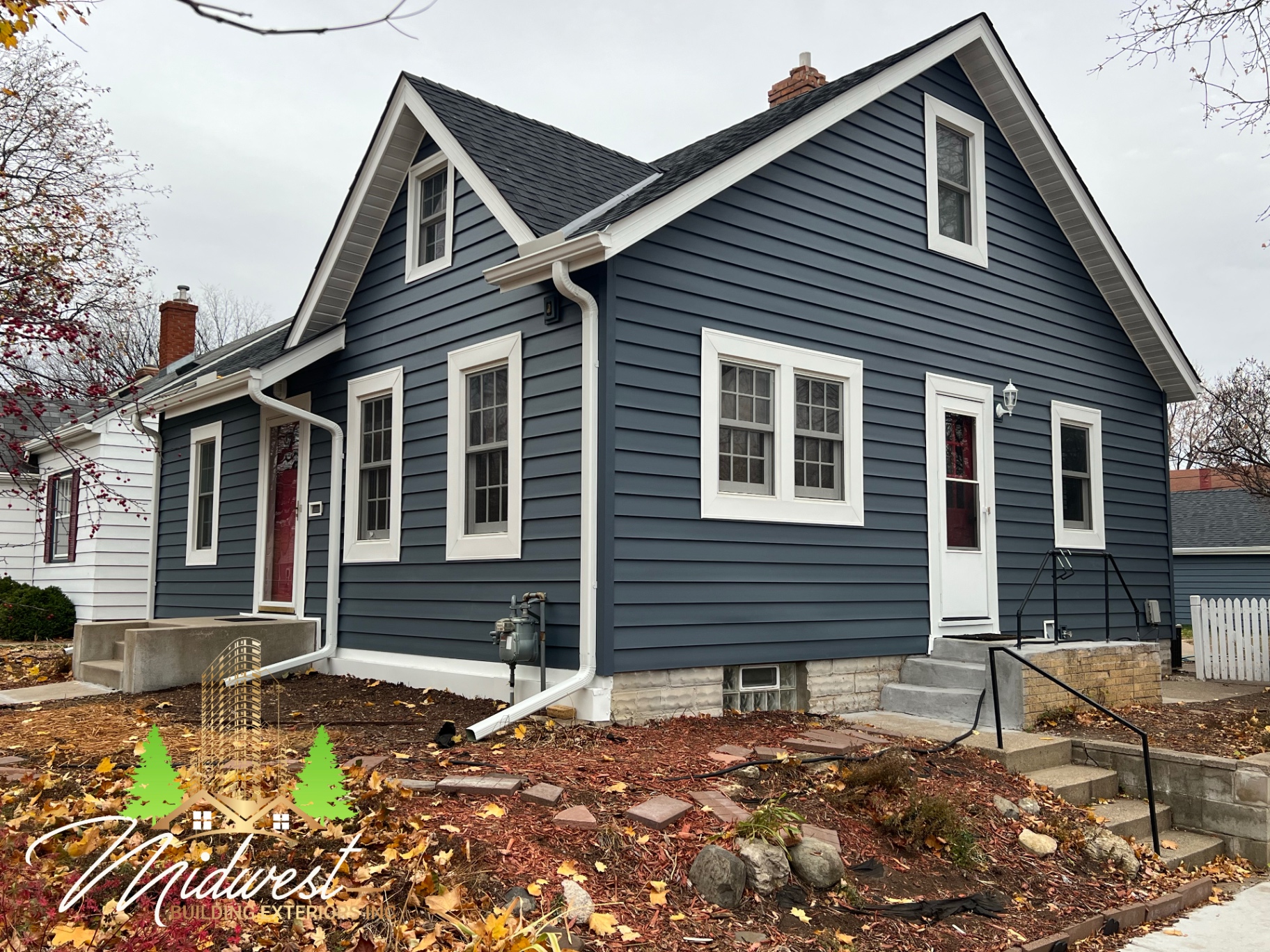
For many Minnesota homeowners, insulated siding is worth the investment, primarily for the added comfort, noise reduction, and improved durability it provides. While there are energy savings, the most immediate and noticeable benefits are often the way the home feels and sounds. Unlike standard hollow-back vinyl, insulated siding integrates a solid layer of rigid foam insulation directly onto each panel, creating a more robust and energy-efficient exterior for your home in Minneapolis, St. Paul, or the surrounding suburbs.
Living through our state's dramatic temperature swings—from bitter winter cold to humid summer heat—puts a lot of stress on a home's exterior envelope. Insulated siding helps to create a thermal break that reduces energy transfer, keeping your home warmer in the winter and cooler in the summer. It's a significant upgrade over traditional vinyl and offers a unique set of advantages compared to other popular materials.
What Exactly Is Insulated Siding?
Insulated siding is a type of exterior cladding, almost always vinyl, that has a layer of expanded polystyrene (EPS) rigid foam insulation permanently adhered to the back of each panel. This simple addition transforms a standard, hollow siding panel into a solid, more robust piece of building material. The foam is contoured to fit the profile of the siding, providing complete support across the entire panel.
This construction provides two key physical advantages over non-insulated siding. First, it makes the panel much more rigid, helping it lay flatter against the wall and masking minor imperfections in the underlying structure. Second, the foam backing provides support against impacts, from stray baseballs to hail. If you're considering a full exterior update, exploring all your siding options is a crucial first step.
The Real-World Energy Savings: R-Value Explained
The primary energy benefit of insulated siding comes from its added R-value, which typically adds R-2 to R-4 to your home's wall assembly. R-value is a measure of a material's ability to resist the flow of heat. The higher the R-value, the better it insulates. While the insulation in your wall cavities provides the bulk of your home's R-value, the studs themselves have very little.
This phenomenon, known as "thermal bridging," allows heat to escape through the framing of your house. Insulated siding covers your entire wall in a continuous layer of insulation, reducing this thermal bridging effect. It won't slash your heating bills in half, but it does make your home's thermal envelope more complete and efficient. This contributes to more stable indoor temperatures year-round, easing the load on your HVAC system.
Beyond Energy: The Comfort and Noise Reduction Benefits
Beyond potential energy savings, insulated siding significantly enhances home comfort by creating a more consistent indoor temperature and dampening outside noise. Many homeowners who choose insulated siding report that the most valuable benefit is simply feeling more comfortable in their own homes. Rooms feel less drafty, and cold spots near exterior walls are minimized.
The other major benefit is sound reduction. The combination of the vinyl panel and the solid foam backing is excellent at absorbing ambient sound. If you live on a busy street in Edina or near a school in Lakeville, insulated siding can make a remarkable difference in creating a quieter, more peaceful indoor environment. This is an immediate quality-of-life improvement that standard siding just can't offer.
How Does Insulated Siding Handle Minnesota Storms?
Insulated siding is more resistant to impact damage from hail and wind-blown debris compared to traditional hollow-back vinyl siding. The solid foam backing gives the vinyl panel rigidity, preventing it from flexing, cracking, or breaking when struck. While no siding is completely invulnerable to severe hail, the added support makes insulated panels better suited for Minnesota's storm-prone environment.
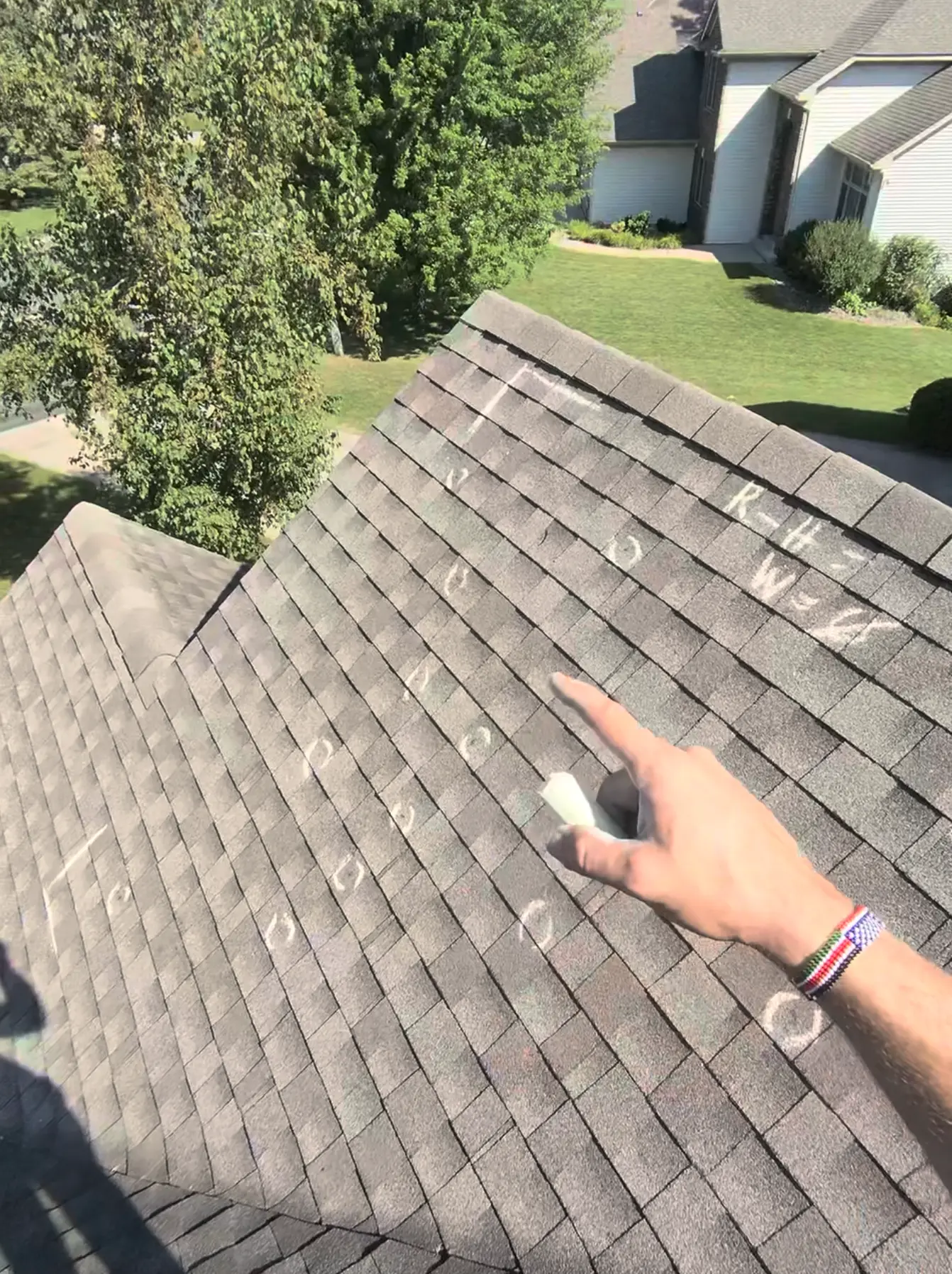
After a storm, it's crucial to have your property inspected for damage. We offer free ground or drone inspections to safely and accurately document any potential issues with your siding, roofing, or gutters. Should you need to file a claim, our expertise in documenting damage for insurance adjusters is a key asset, reflected in our 99% companywide insurance claim approval rate across 400+ documented claims. You can check your own address for past storm activity using the NWS Storm Events Database at https://www.ncdc.noaa.gov/stormevents/.
If you suspect damage after a weather event, it's best to act quickly. Learn more about our storm damage restoration process and how we can help.
Standard Siding vs. Insulated Siding: A Comparison
The choice between standard and insulated siding hinges on your budget, your home's existing insulation, and your priorities for durability and comfort. Both can be excellent choices when installed correctly. Here’s a quick breakdown of the key differences:
- Cost: Standard vinyl siding has a lower upfront material and installation cost. Insulated siding carries a premium for the added foam and more detailed installation.
- Energy Efficiency: Insulated siding adds a continuous layer of insulation (R-2 to R-4), reducing thermal bridging. Standard siding relies entirely on your home's existing house wrap and cavity insulation.
- Durability: The foam backing makes insulated siding more resistant to impact damage from hail, debris, and everyday bumps.
- Appearance: Because it's more rigid, insulated siding can provide a smoother, straighter finished look, hiding minor wall imperfections. It often comes in wider, more premium profiles.
- Noise Reduction: Insulated siding provides a noticeable reduction in outside noise, a benefit standard hollow siding does not offer.
It's also worth comparing insulated vinyl to other popular materials like LP SmartSide, which offers a different set of aesthetic and durability benefits. A full evaluation of your home's needs is the best way to make a decision. Unsure where to begin? Request a free inspection and our team can walk you through the options.
When Is House Wrap and Standard Siding Enough?
A high-quality house wrap paired with standard siding is often sufficient for homes that are already well-insulated or for homeowners prioritizing a lower upfront project cost. Modern house wraps are engineered to serve as an excellent air and water-resistive barrier. When properly taped and integrated with flashing around windows and doors, house wrap does the critical job of protecting your home's sheathing from moisture.
If your home was built relatively recently, has good insulation in the wall cavities, and you don't experience significant drafts or outdoor noise issues, the added cost of insulated siding may not provide a return on investment that makes sense for you. In these cases, a well-installed standard siding—be it vinyl, engineered wood like LP SmartSide, or fiber cement like James Hardie—is a perfectly sound choice for protecting and beautifying your home in Eagan or Woodbury.
Why Choose MBE for Your Siding Project?
As a family-owned contractor with an A+ BBB rating and offices in Richfield, Eagan, and St. Croix Falls, we provide expert siding installation backed by a lifetime warranty on our labor. We treat your home like our own, from the initial inspection to the final cleanup. Our Minnesota Class A License #BC793031 and full insurance coverage provide peace of mind that you're working with a professional, local team.
Our process is built on clear communication. We install leading brands like James Hardie, LP SmartSide, and high-quality vinyl options. And our work is covered by MBE's Lifetime Craftsmanship Warranty, which protects you for as long as you own your home. If something we installed was installed incorrectly, we fix it, for the lifetime of that material's suggested lifespan. You can learn more about our company and our commitment to our neighbors across the Twin Cities.
What Insulated Siding Costs in Minnesota for 2026
Insulated siding typically costs more than standard vinyl siding due to the integrated foam and more detailed installation process. While the exact premium varies by manufacturer and profile, it's an important factor in your budget.
As a baseline, MBE published pricing for standard vinyl siding is about $900–$950 per square (a 100 sq. ft. area) installed. You can expect insulated siding to be a notable premium on top of that base price. For comparison, other popular materials like LP SmartSide engineered wood or James Hardie fiber cement are about $1,200–$1,300 per square installed. Steel siding is around $1,300–$1,500 per square. Because every home is unique, the only way to get a precise figure is with a custom quote.
Frequently Asked Questions About Insulated Siding
Does insulated siding qualify for energy tax credits?
Sometimes, but it depends on the specific product and the current federal and state incentives available in 2026. Homeowners should check the latest guidelines from ENERGY STAR and consult with a tax professional to determine eligibility, as these programs can change.
What is the R-value of insulated siding?
Insulated siding typically adds an R-value of R-2 to R-4. This supplements the insulation in your wall cavities and helps to reduce thermal bridging through the wood studs of your home.
Is insulated siding waterproof?
No siding system is completely waterproof on its own. It is a critical component of a complete water management system, which includes a weather-resistive barrier (house wrap) underneath and proper flashing around all openings like windows and doors to direct water away from the structure.
Can you put insulated siding over old siding?
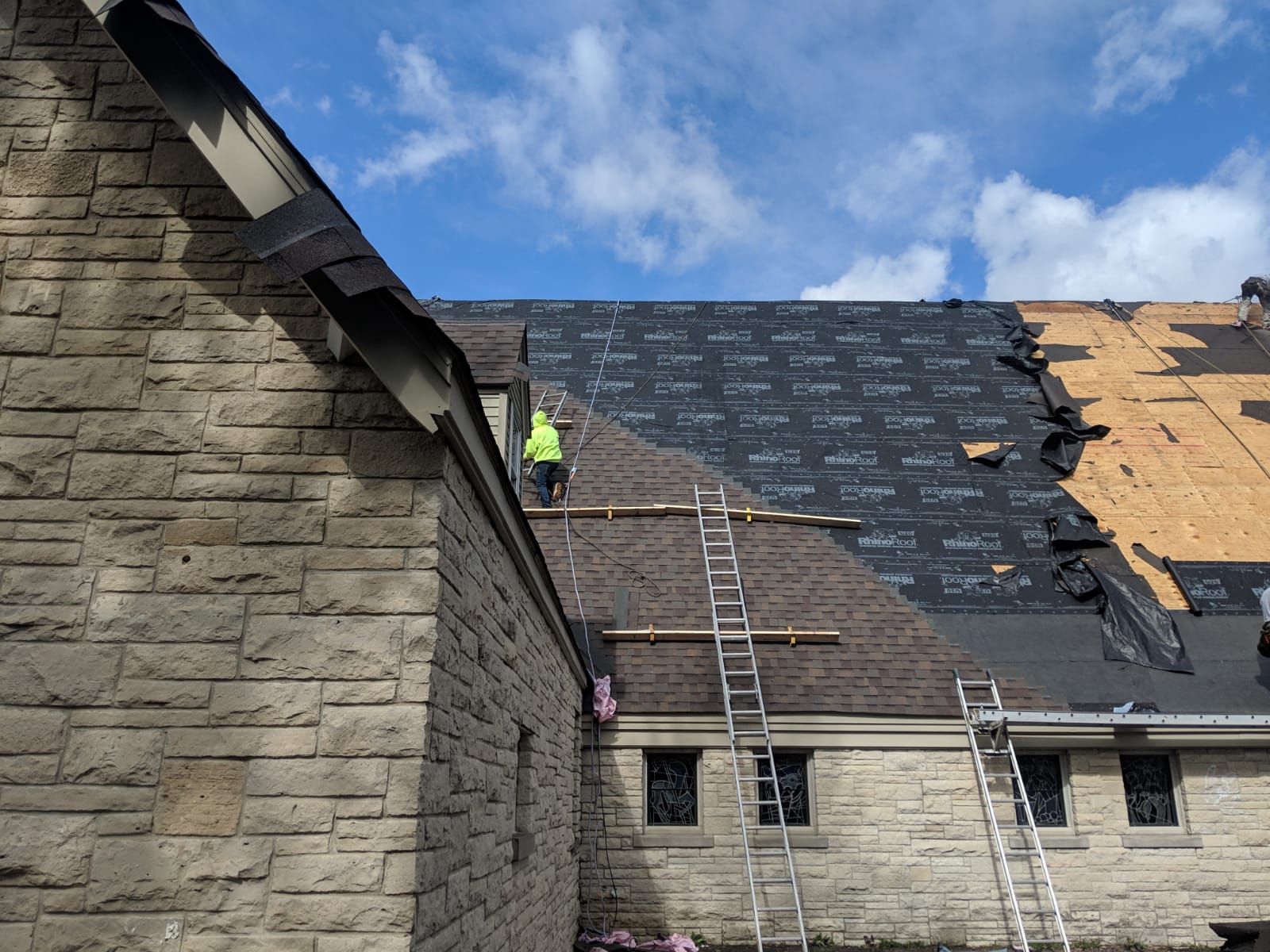
While it's sometimes possible, we almost always recommend a full tear-off of the old siding. This allows us to inspect the wall sheathing for any hidden rot or damage and ensures the new siding can be installed on a flat, solid surface for the best performance and longevity.
How long does insulated siding last?
The lifespan is similar to other high-quality vinyl siding products, often lasting 20 to 40 years or more. However, the rigid foam backing helps it better resist impacts from hail and debris that could otherwise shorten the functional life of hollow siding.
Does insulated siding increase home value?
Yes, a quality siding replacement with a premium product like insulated siding can increase home value. It boosts curb appeal, durability, energy efficiency, and comfort—all highly attractive features for potential buyers in Minnesota. A new exterior is one of the best investments for improving what your home says about its value.
Is insulated siding better than LP SmartSide?
It’s not a question of better, but of what's different. Insulated vinyl excels at providing added insulation and being virtually maintenance-free. LP SmartSide offers the rich look of real wood and has its own distinct durability characteristics. The best choice depends on your aesthetic goals, budget, and performance priorities.
How long does it take to install insulated siding?
A full siding replacement on a typical home takes about 3 to 5 days on-site. This timeline is consistent with other popular siding materials like standard vinyl, LP SmartSide, or James Hardie.
Ready to Explore Your Siding Options?
Request your free inspection or call or text us 24/7 at 612-750-6051. Our team can provide a detailed, no-obligation quote and help you decide if insulated siding is the right fit for your home.