What Homeowners Should Expect During a Pro Roof Inspection
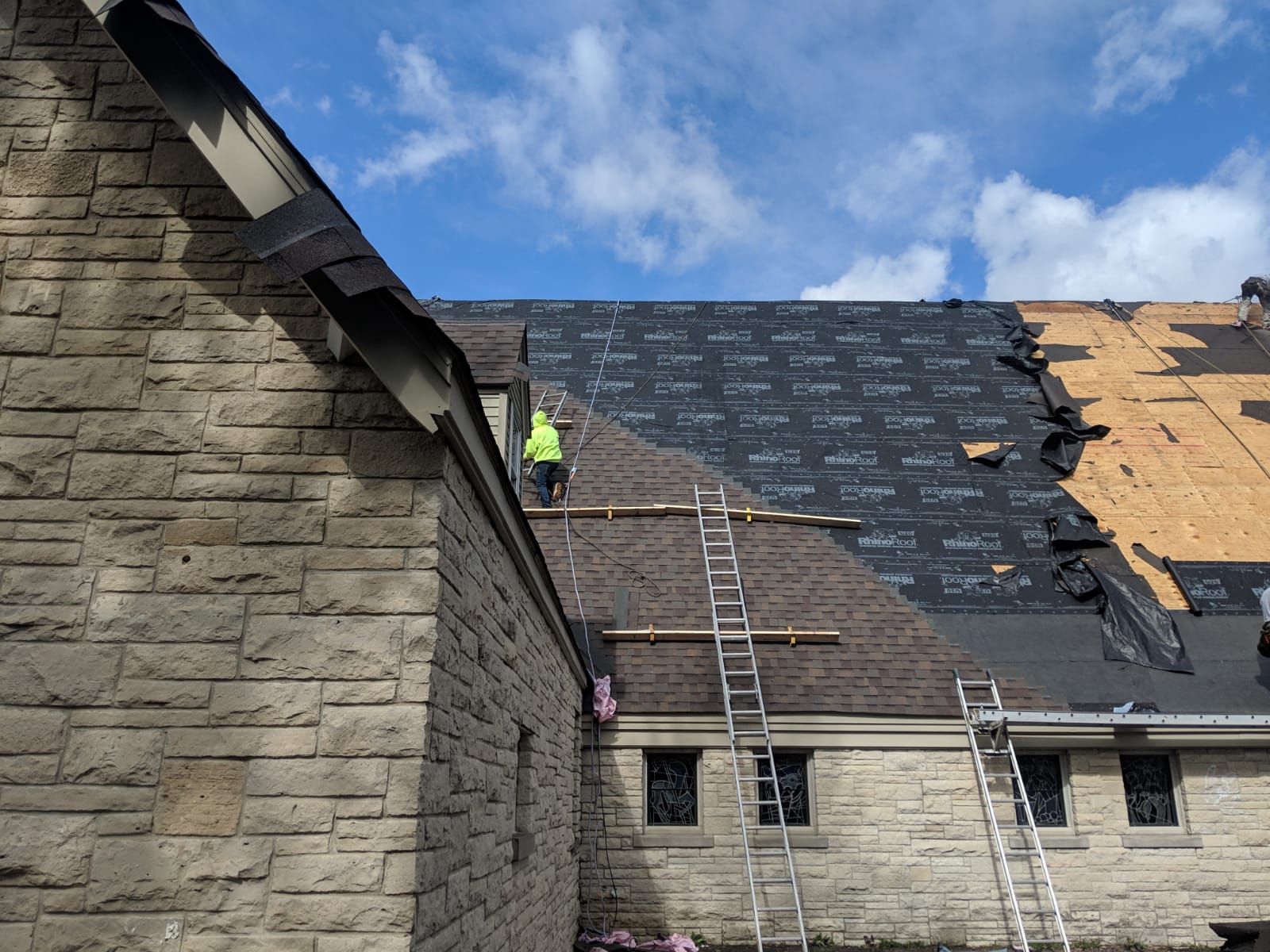
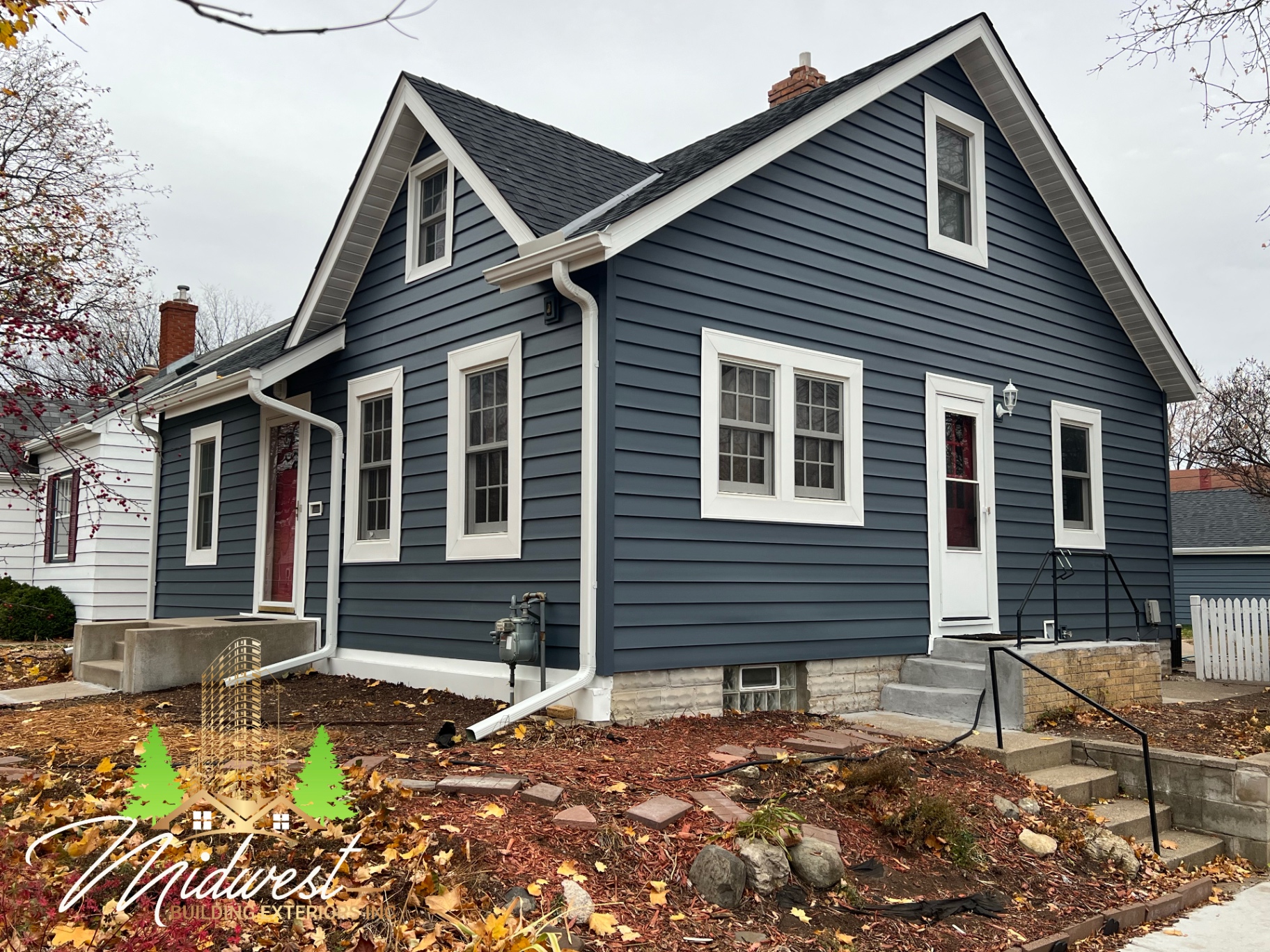
Living in the Twin Cities means your home takes a beating from heavy snow, high winds, and the occasional summer hailstorm. Most homeowners don't think about their roof until a leak appears in the living room ceiling, but regular check-ups can prevent minor wear from turning into a total replacement — and make deciding between repair and replacement a far simpler call. When you call us for a free inspection, we aren't just looking for missing shingles. We are performing a comprehensive health check on your home's entire exterior system to ensure everything from the peak to the gutters is watertight and structurally sound.
The Surface Level: Shingles and Granule Loss
The first thing we look at is the condition of your shingles, specifically looking for signs of aging or storm damage. We check the ridge caps—the shingles covering the very peak of your roof—because they take the most direct hit from wind and sun. We also look for excessive granule loss. If your shingles look 'bald' or you see piles of sand-like grit in your gutters, it means the protective layer is gone, leaving the asphalt exposed to UV rays that cause cracking and leaks.
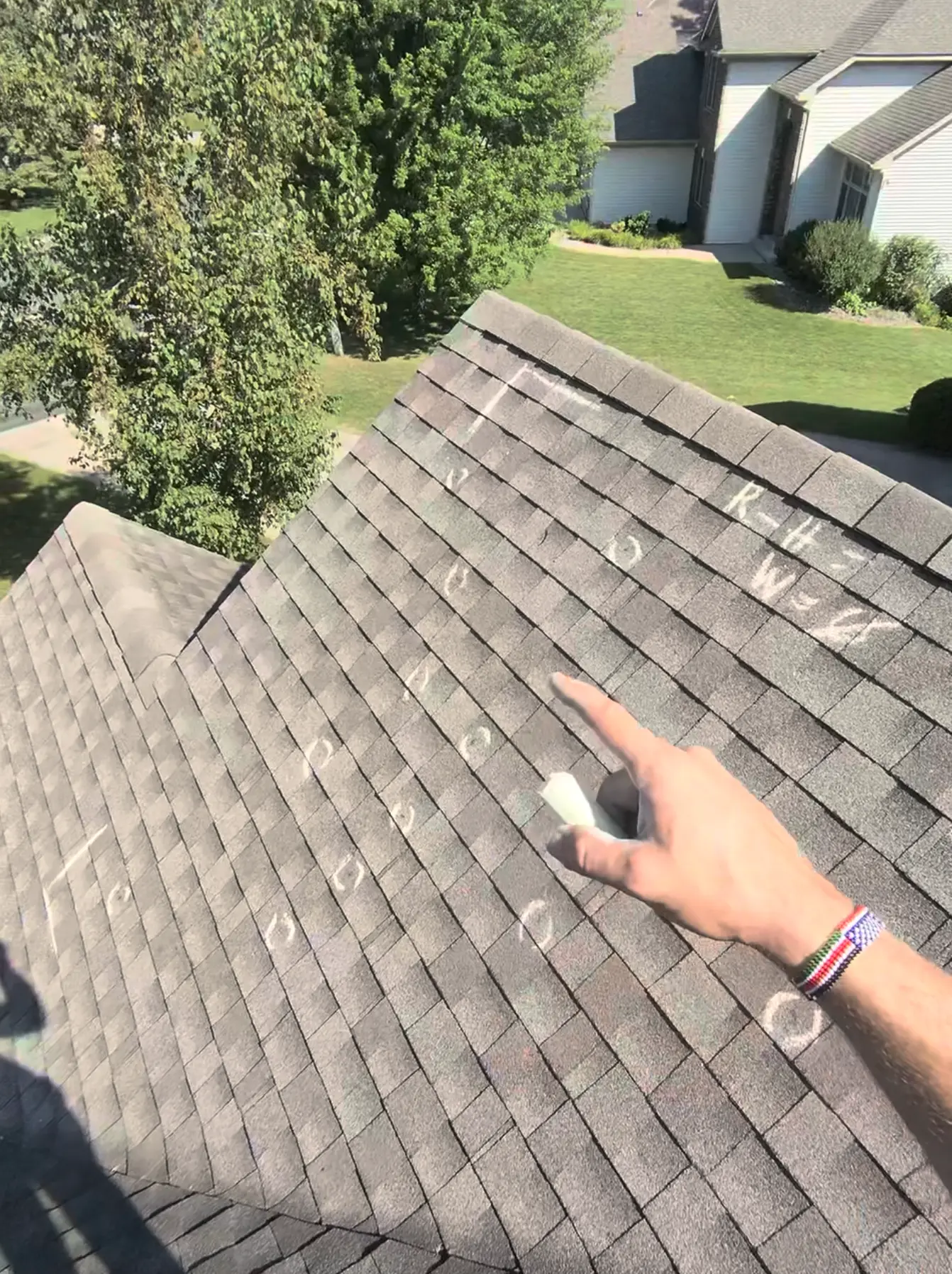
- Bruising or circular cracks from hail impacts
- Wind-uplifted shingles with broken adhesive seals
- Curling or clawing at the edges of older shingles
- Presence of organic growth like algae or moss
Identifying Potential Leak Points
Water doesn't usually get through the middle of a shingle; it gets in at the joints. We pay close attention to valleys, which are the 'V' shaped channels where two roof slopes meet. These handle a high volume of runoff and are common failure points. We also inspect the flashing—those metal strips around chimneys, dormers, and vent pipes. If the sealant is cracked or the metal is rusted, water will find its way behind your siding or into your attic.
Testing the Decking and Gutters
As we walk the roof, we are feeling for 'soft spots.' If the roof feels spongy underfoot, it often indicates that the plywood decking underneath is rotting due to a slow leak or poor ventilation. While we are up there, we also check your gutter health. Gutters that are sagging, pulling away from the house, or clogged with debris can cause water to back up under the eave shingles, leading to ice dams in the winter and basement flooding in the spring.
Don't Forget the Attic Ventilation
A roof can fail from the inside out. Part of a thorough inspection involves looking at your ventilation system. If your attic is too hot or holds too much moisture, it will 'cook' your shingles from the bottom up and lead to premature failure. We check your intake vents at the soffits and exhaust vents at the ridge to make sure air is flowing correctly. This simple check helps prevent mold growth and keeps your heating and cooling bills in check.
Our Inspection Process
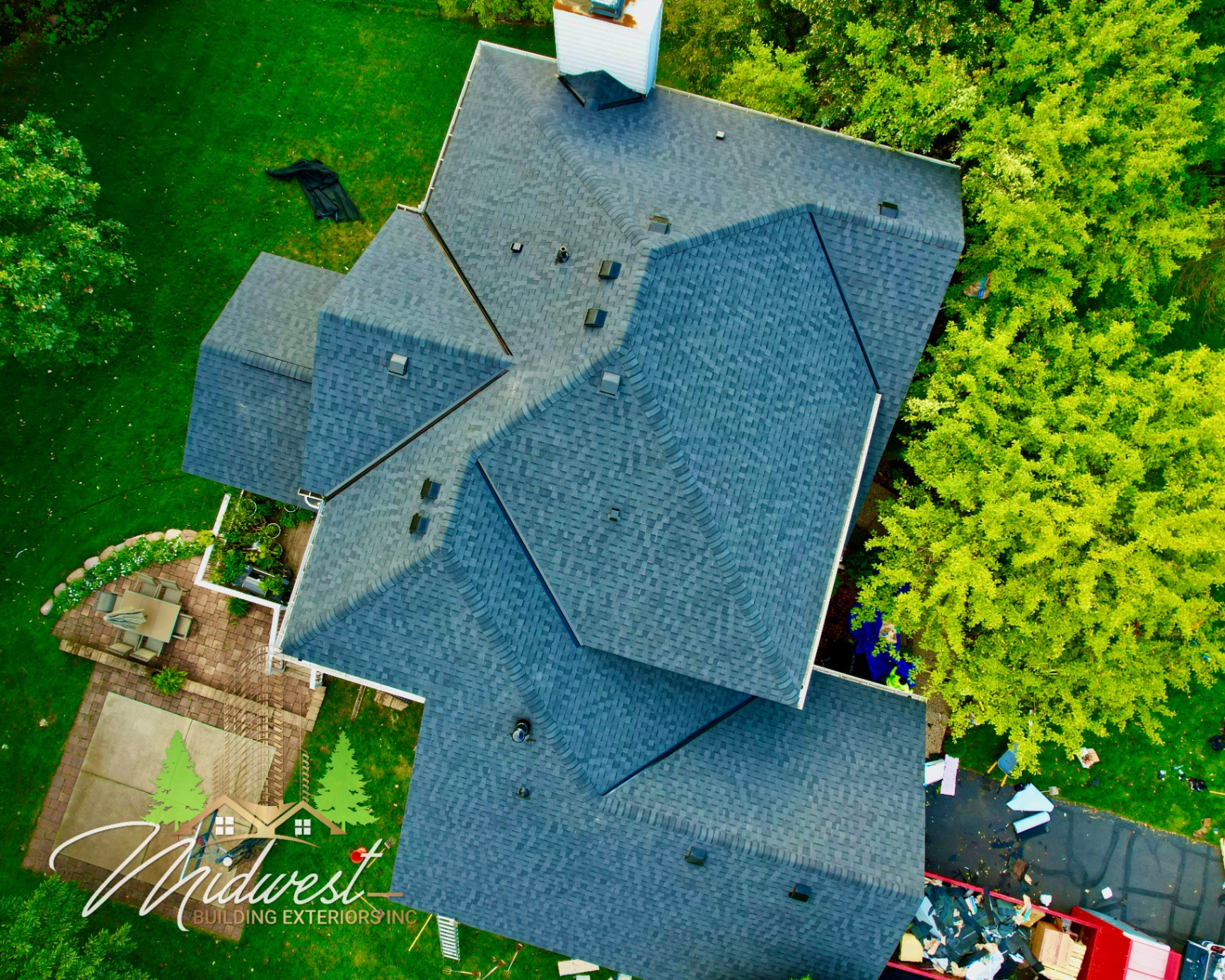
We want you to feel comfortable with the process, which is why we offer two ways to get the job done. Whether we use traditional ladders or our high-resolution drone tech, we document every finding with photos so you can see exactly what we see.
- Ground or drone-based visual assessment of all slopes
- Close-up inspection of flashing, valleys, and vents
- Documentation of any storm damage for your records
- Providing a detailed report and honest recommendations
If we find storm damage, we can provide the documentation you need for an insurance claim; we have a 99% companywide approval rate across 400+ documented claims on claims where we identify clear damage. Note that MBE is not a public adjuster; we document facts and provide expert repairs. Whether you are in Bloomington, Woodbury, or right here in Richfield, we’re here to help. You get a lifetime craftsmanship warranty on our labor and the peace of mind that comes with an A+ BBB rated contractor (License #BC793031). Call or text 612-750-6051 today to book your free inspection.